A few years ago, a man overdosed in my parents’ upper middle class neighborhood. He was the adult son of people who lived there, watching their house while they were out of town. He was another victim of the opioid epidemic that has ravaged my home state of Ohio.
When my mom told me about this, she expressed her confusion as to why so many people were taking drugs, particularly drugs that were well known to lead to a specific, final end.
There are obviously genetic and chemical components to drug use and drug addiction. But in a lot of cases, something triggers these predispositions, there’s some kind of inciting event.
An older friend once said, while referring to me and my peers, that we were the first generation that wouldn’t do better than the generation before us. On the surface, I understood that and even agreed with it, because the middle class had exploded and my generation, Generation X, was a result of that. Even if the middle class hadn’t begun to shrink and fade away, there was no way we could expect the kind of growth that had happened for the previous generation.
What struck me, thinking about it now, is how “do better than the generation before us” was defined, how even I defined it back then.
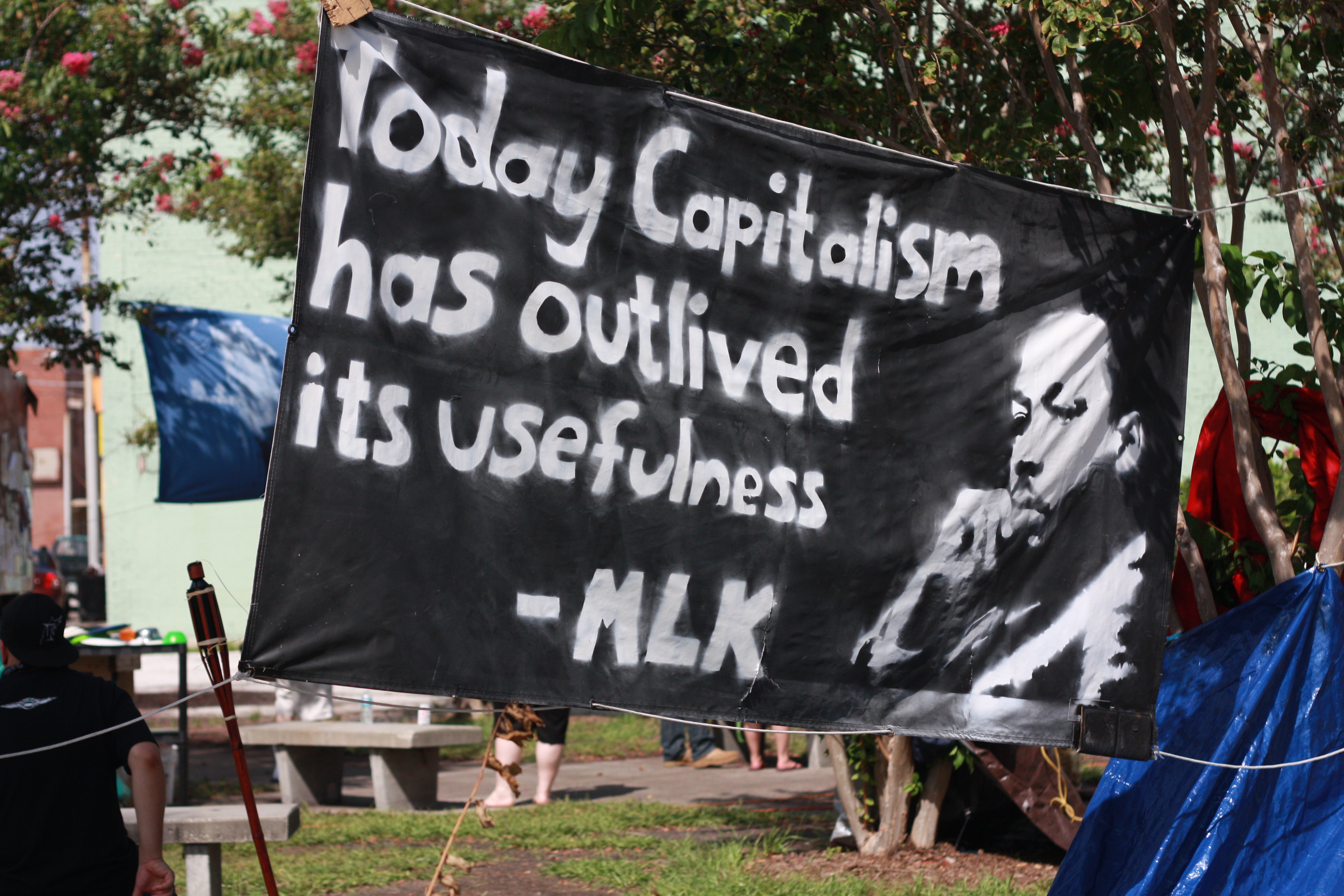
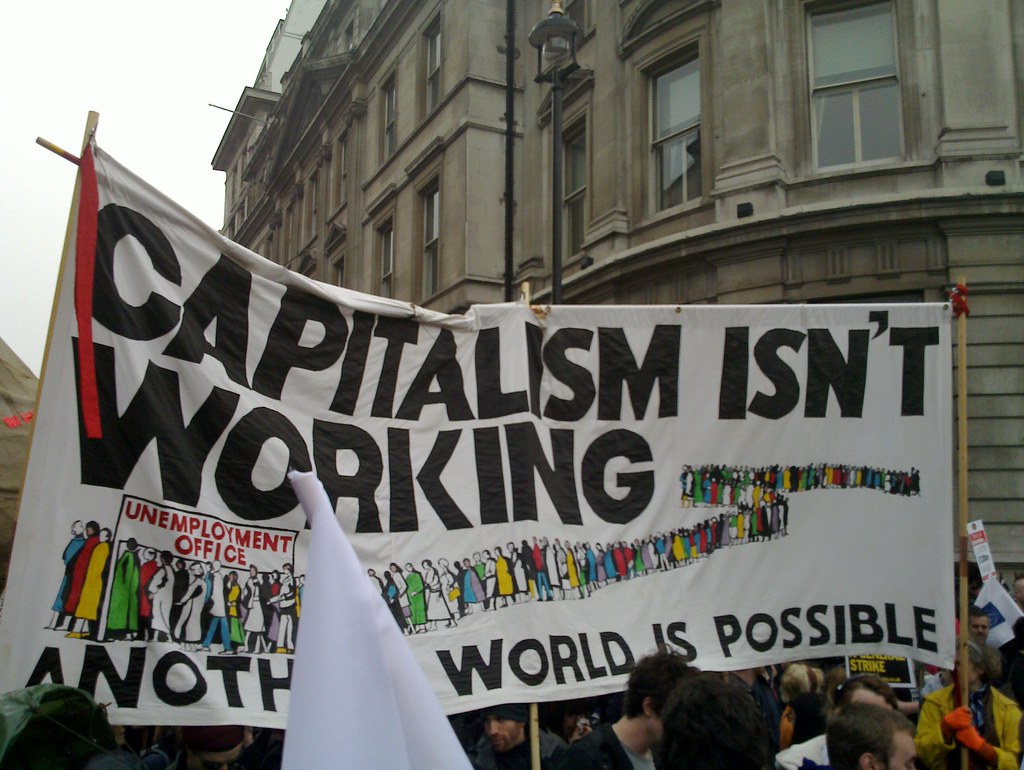
It’s simplistic, but consider this: you’re taught that money, material things, and status define how “well” you’ve done in life. You get a very clear picture of what “well” is in this country. You will never attain it because it’s nigh impossible. The middle class will start to disappear and you’ll never get to where your parents are, let alone surpass them.
Everyone knows this, and those that are able to break through make sure that they will never go back. Greed runs rampant as the bar for “doing well” gets higher and higher for those already doing well. The goal posts continue to move and that fuels a need to make more money and have more things.
Greed runs rampant because it’s almost become a psychological necessity.
Then there’s everyone else, who are faced with the fact that none of the things the grew up associating with happiness are attainable. Imagine being told all your life that coffee is the one thing that will make you happy, the one thing that will get you respect from others, that will make you feel safe and warm. Now imagine if coffee disappeared. There’s no way for you to be happy through traditional means.
At this point, you face a crossroads. You can figure out that happiness comes from somewhere else and then go find that something else. You can make yourself miserable trying to attain that version of happiness. Or you can resign yourself to never being happy and try to find a way to make existence enjoyable.
Look at these options.
You realize that everything is pointless, that you’ll never get to where the previous generation was, you’ll never make enough money to be happy, so you find an alternative. You don’t want to feel miserable all the time. That’s where the drugs come in. Even if it’s for just a few hours a day, even if it takes more and more control of your life, those moments when you are high are the few moments when anything feels good.
You can work yourself to the bone trying to achieve this supposed secret to happiness. You can stick with it despite the odds because you don’t know what else you’d do with yourself. You were raised to be productive, to earn money and buy things. You know there are people your age who have “made it,” so you kill yourself going after something rare and, ultimately, not real.
And then there’s the big revelation, the one that is so hard for most of us to come to, the one that is regularly hammered down by our society: happiness comes from elsewhere.
One of the hardest things to do is accept that happiness and money don’t necessarily go hand in hand. That’s not to say that, on rare occasions they can’t, but that’s not usually the case.
But we’re taught that doing something because it makes us happy is wrong, that’s it’s a selfish waste of time if it’s not somehow contributing to the beast that is capitalism.
 KyleGarret.com